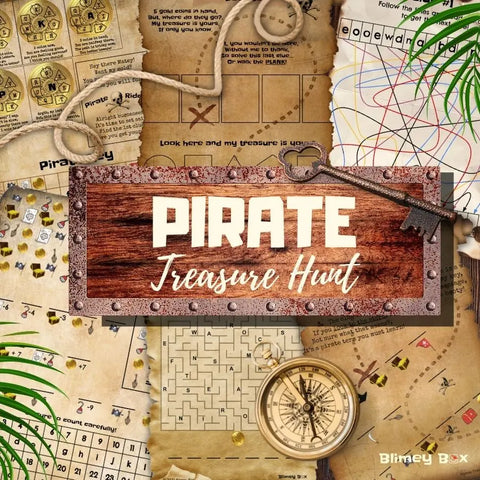
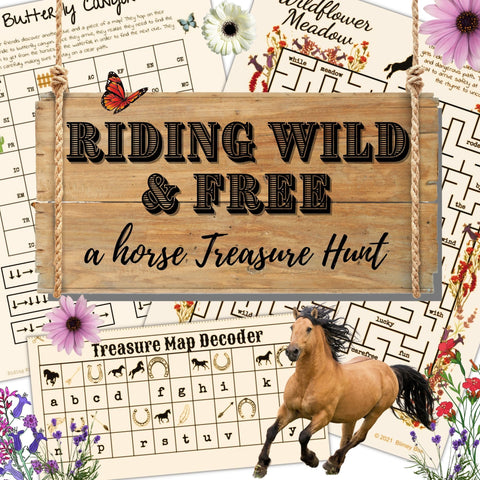
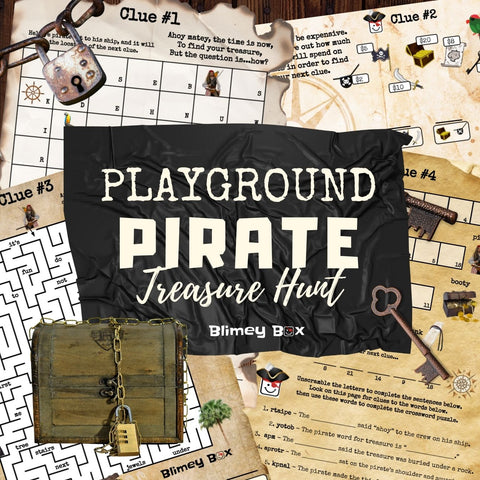
DIY Treasure Hunts for kids
Treasure hunts aren’t just about buried pirate gold anymore (although let’s be honest, kids still love a good prize at the end). For parents looking to reduce screen time and keep kids engaged, treasure hunts are one of the most powerful tools you can use!
We know this firsthand. We started creating treasure hunts for our son when he was five years old. We needed something engaging for rainy days, slow Saturdays, or those moments when boredom turned into sibling chaos. What surprised us most was how motivated he became to read directions, solve math problems, and think critically—simply because he wanted to find the next clue.
If you’re parenting kids ages 5–10, this guide will show you how to create treasure hunts that are fun, flexible, and secretly packed with learning. And if you want a ready-made version to try today, we’ll point you to a free printable puzzle game that kids love.

Step 1: Plan Your Route and Difficulty
Before you write a single clue, decide where the hunt will take place and how challenging it should be.
Map it out
Choose where clues will be hidden and where the final treasure will be. Treasure hunts work great indoors, outdoors, or as a mix of both.
Number of clues
For kids ages 5–10, we recommend 4–6 clues. That’s enough to feel like an adventure without overwhelming their attention span.
Difficulty progression
Start with an easy win and gradually increase the challenge. Early success builds confidence and keeps kids excited to keep going.
👉 Want to skip the planning and try a done-for-you version first? Our Free Printable Puzzle Game for kids ages 5–9 walks kids through a full puzzle-based hunt with zero prep. It’s the easiest way to test this idea at home.
Step 2: Keep Track of Your Clues (This Saves Your Sanity)
One of the biggest mistakes parents make is creating puzzles before knowing where the next clue will be hidden. Decide locations first—then design the puzzles to point kids there.
Here’s a simple example of how to track your clues:
-
Clue 1: Given to child
-
Clue 2: Dishwasher
-
Clue 3: Bathtub
-
Clue 4: By a sock drawer
-
Final Treasure: Under a pillow
Indoor hiding spot ideas:
-
Under a chair
-
Inside a book
-
In a drawer
-
Behind a picture frame
Outdoor hiding spot ideas:
-
By a tree
-
Beneath a flower
-
Next to a birdbath
-
Inside the mailbox
Keeping a simple list like this makes setup fast—and avoids the dreaded “Wait…where did I hide that clue?” moment.

Step 3: Craft Engaging Puzzles
This is where treasure hunts really shine. You don’t need complicated materials—just small twists that encourage kids to think.
Mazes
Add math problems or hidden letters throughout a maze. Solving them reveals numbers or words that lead to the next location.
Ciphers
Ciphers are one of our favorite tools because you can adjust the difficulty easily. Simple symbol substitution or number replacement ciphers work great for younger kids, especially when paired with basic math or spelling.
Crossword puzzles
Circle specific letters in a completed crossword. Kids unscramble those letters to uncover the next clue.
Workbooks with a twist
Use pages you already have at home. Circle certain problems, then give kids a decoder to turn answers into letters or words.
Riddles (with a twist)
Write a riddle backwards and give kids a mirror. This small twist instantly makes it feel special.
💡 Tip: Always adapt puzzle complexity to your child’s age and confidence level. The goal is challenge—not frustration.
If you want examples of kid-tested puzzles, our Printable Puzzle Game (Ages 5–9) includes logic, word, and math puzzles that are already leveled for younger learners—and it’s completely free.

Step 4: Set the Scene and Let the Adventure Begin
A little storytelling goes a long way.
Create a theme
Pirates, explorers, detectives, animal rescuers—kids instantly engage when there’s a story behind the clues.
Presentation matters
Add symbols, pictures, or age the paper for extra excitement. (We love using simple tricks to make paper look old—kids go wild for it.)
Celebrate the win
The reward doesn’t need to be big. Candy, a small trinket, or choosing the next family game is more than enough. The real reward is solving the puzzles.
Short on Time? Start with a Free Puzzle Hunt
We get it. Life is busy. That’s why we created resources that let you jump straight into the fun.
🎯 Download our Free Printable Puzzle Game for Kids Ages 5–9
It’s a complete, screen-free puzzle hunt you can set up in minutes. Just print, cut, and watch your child solve their way to the prize.
If you’re parenting older kids, you may also want to check out our 20-Minute Escape Game Starter Challenge for ages 9–13, which turns problem-solving into a fast-paced escape-style adventure.
Want More Screen-Free Ideas?
If your kids loved this activity, you’ll also want to check out:
Both posts pair perfectly with treasure hunts and give you even more ways to keep learning fun at home.
With a little planning (or a ready-made printable), treasure hunts can become one of your go-to activities for learning, connection, and screen-free fun. And once your kids finish their first hunt, don’t be surprised if they ask for another one tomorrow.
Check out our ready-made Printable Treasure Hunts